Buzz Word Breakdown: Quiet Luxury
If you follow the fashion scene at all, you may have heard of the term “quiet luxury” before. The term refers to understated glamour, nothing showy or loud. Think quality and craftsmanship without the flashy labels. The term has recently made its way into the interior design world to describe not a certain style, but a way of living. I find myself using it all the time! Let’s dig in.
When we think of the word luxury in the world of interior design, what comes to mind? I’ll name a few to get us started…large scale homes, glittery chandeliers, over the top finishes…you get the idea. But “quiet luxury” redefines how we think about elevated living in terms of how the space makes you feel, the materials used, and the level of curation.
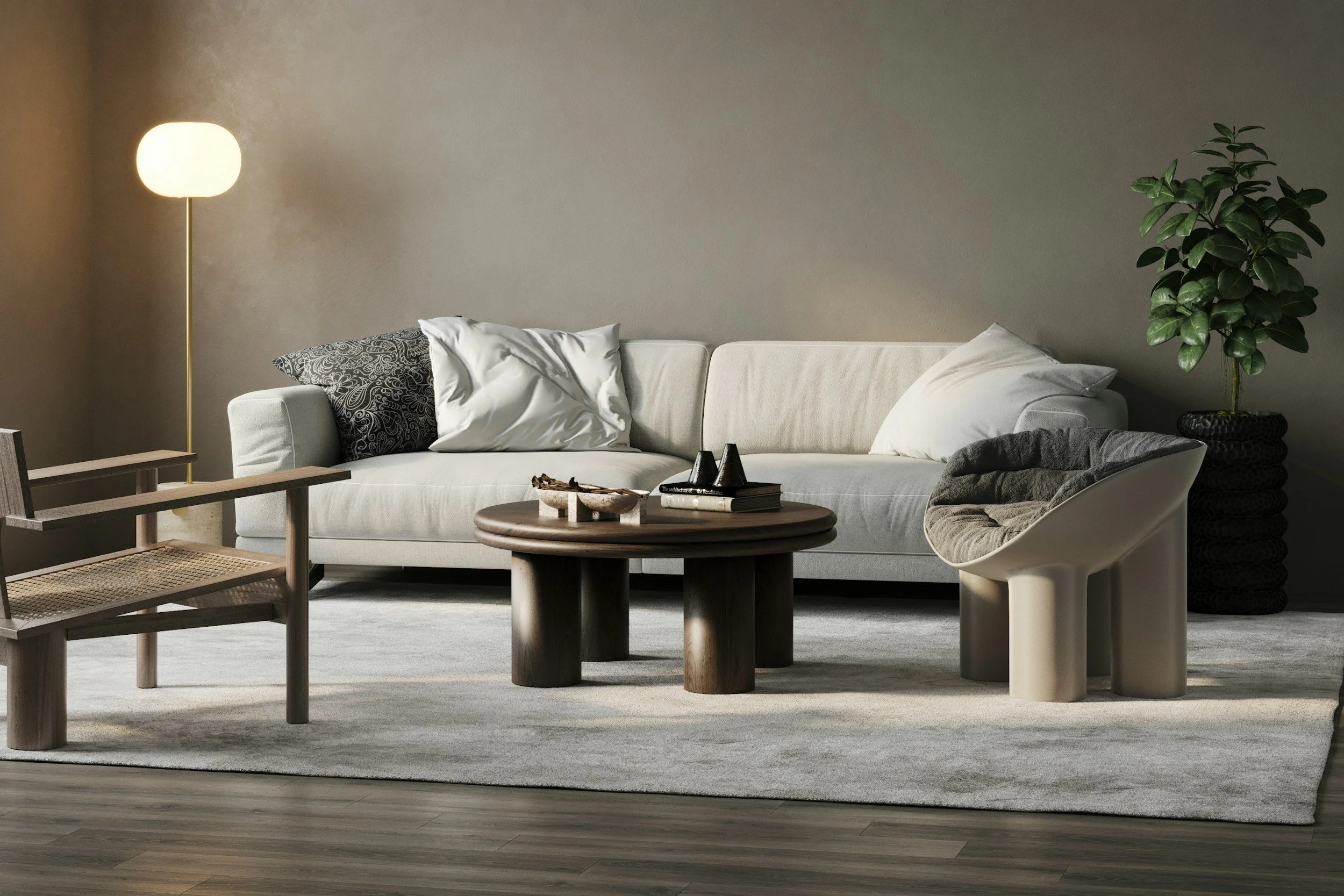
It’s undeniable that our hyper-connected world we live in creates the desire for people to want a sense of calm when coming home. When you walk in the door from a chaotic day, you want your space to feel like it’s giving you a big hug. Interiors that are livable, functional, yet completely beautiful and luxurious. I also think when people think of luxury in the home, that having children in that equation is just not doable. Quiet luxury defies that sentiment.
At its core, quiet luxury is about discreet elegance. It’s not driven by trends or flashy logos, but by quality craftsmanship, timeless design, and a refined, almost effortless aesthetic. We’re not talking about minimalism, which can feel stark, empty and cold to some. It’s something as simple as a beautiful handmade persian rug on reclaimed flooring, a baby alpaca throw draped on a mohair-upholstered sofa, or crisp textured linen curtains hanging from brass hardware. Essentially it’s a space that whispers instead of shouts, and it's resonating with clients who want their homes to feel like a serene retreat.
Quiet luxury can be found in a tiny one-bedroom city apartment, a family estate, an urban home, a country house, or even an Airstream! It’s not about the size or the price tag, it’s about emotional connection, sustainability, artistry, and what feels right. With this frame of mind, let’s look at these central characteristics of quiet luxury:
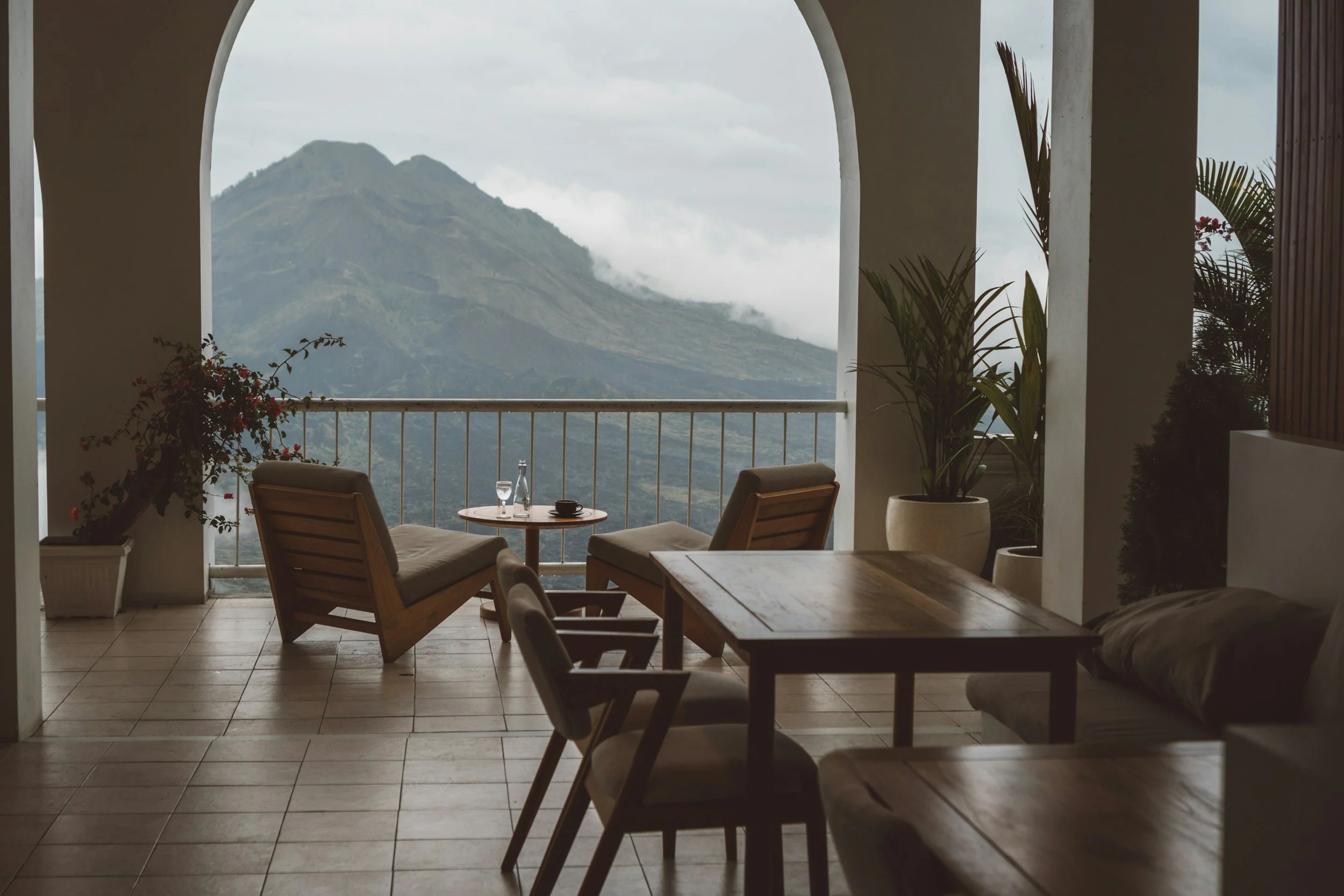
Natural Materials. It all begins with an appreciation for authentic, tactile and natural materials. Some examples include linen, wool, mohair, cashmere, alpaca, boucle, and soft leathers that wear beautifully with age. For hard surfaces, natural stone like travertine, marble, quartzite or soapstone for countertops, fireplaces, and even furniture are timeless and durable. Solid wood is an enduring classic (especially walnut, oak, and ash in warm matte finishes). Hardware that patinas over time like unlacquered brass or aged bronze will never go out of style. These materials aren’t chosen for flash; they’re chosen for feel. There’s a groundedness that comes with selecting elements that age gracefully and connect us back to the natural world.
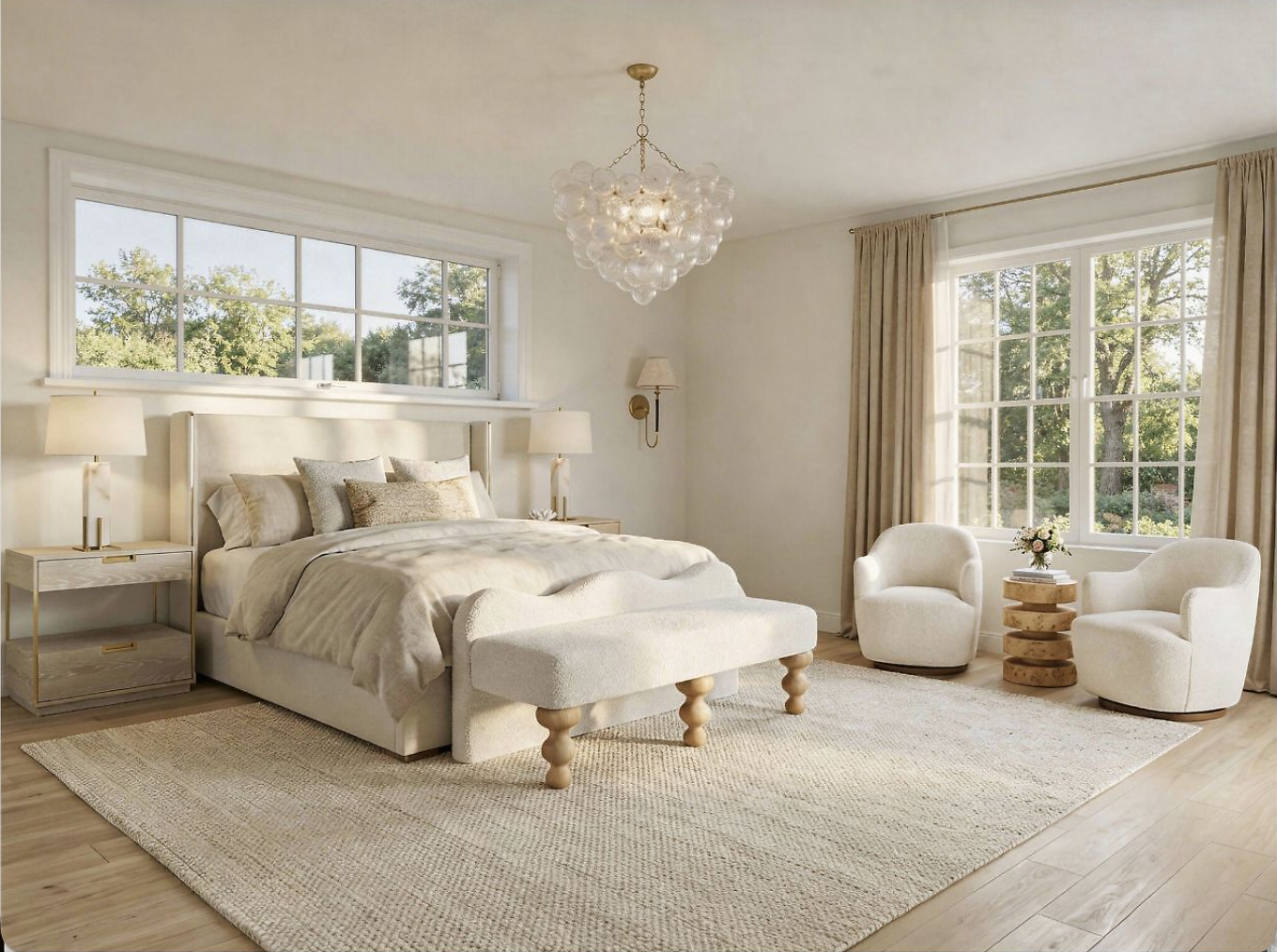
Color Palette. Quiet luxury leans into soft neutrals like cream, taupe, warm grays, muted earthy tones like clay, olive, or sand. These colors surface in the manner of tonal layering, such as an ivory sofa, ecru wall paint and bone-colored drapes. This color approach builds depth without relying on high contrast, which creates a calming, cohesive atmosphere.
Timeless Furniture. An obvious characteristic of quiet luxury is of course timeless furniture that is built to last. Usually these pieces feature organic lines, curved silhouettes, low, loungey profiles and upholstery in rich, textured fabrics. They are investment pieces from artisan makers or design houses such as Ligne Roset, Herman Miller and Roche Bobois - chosen with intention not just to fill space, but to add form and function.
Lighting. A crucial component in quiet luxury is the lighting. This is so often overlooked! It can make or break a space. To achieve a calm, cozy, inviting and elegant feel, you must have layered lighting. This means you need a combination of task, ambient and accent lighting. When I’m working with clients and we walk through the lighting plan, they are usually surprised at how many lighting sources are needed. It can be a combination of ceiling lights, wall sconces, table and floor lamps, and so much more. Don’t forget about the shades! Mix up the materials…nothing casts a soft diffused glow like a fabric or alabaster shade.
Quiet luxury may be a trend word at the moment, but I do believe it has staying power. There's a growing interest in purchasing fewer, better pieces that are made to last. This could be the client investing in custom furniture, or the client who is on a budget and is searching auction sites or Facebook Marketplace for pieces that are high quality, well-loved but need a new home.
At the end of the day it’s about slowing down, being intentional and loving where you live. Quiet luxury offers a path to timeless, livable elegance. Here’s to creating spaces that feel as good as they look—subtle, soulful, and built to last.